Introduction
If you're like most people, your shoe collection has outgrown your closet. Shoes end up by the front door, under the bed, in the hallway — basically everywhere they shouldn't be.
The right shoe organizer can fix that. But there are so many options — racks, cabinets, over-the-door organizers, clear boxes, benches with storage — how do you choose?
Here are the best shoe organizers for different spaces and collection sizes.
Best for Entryways
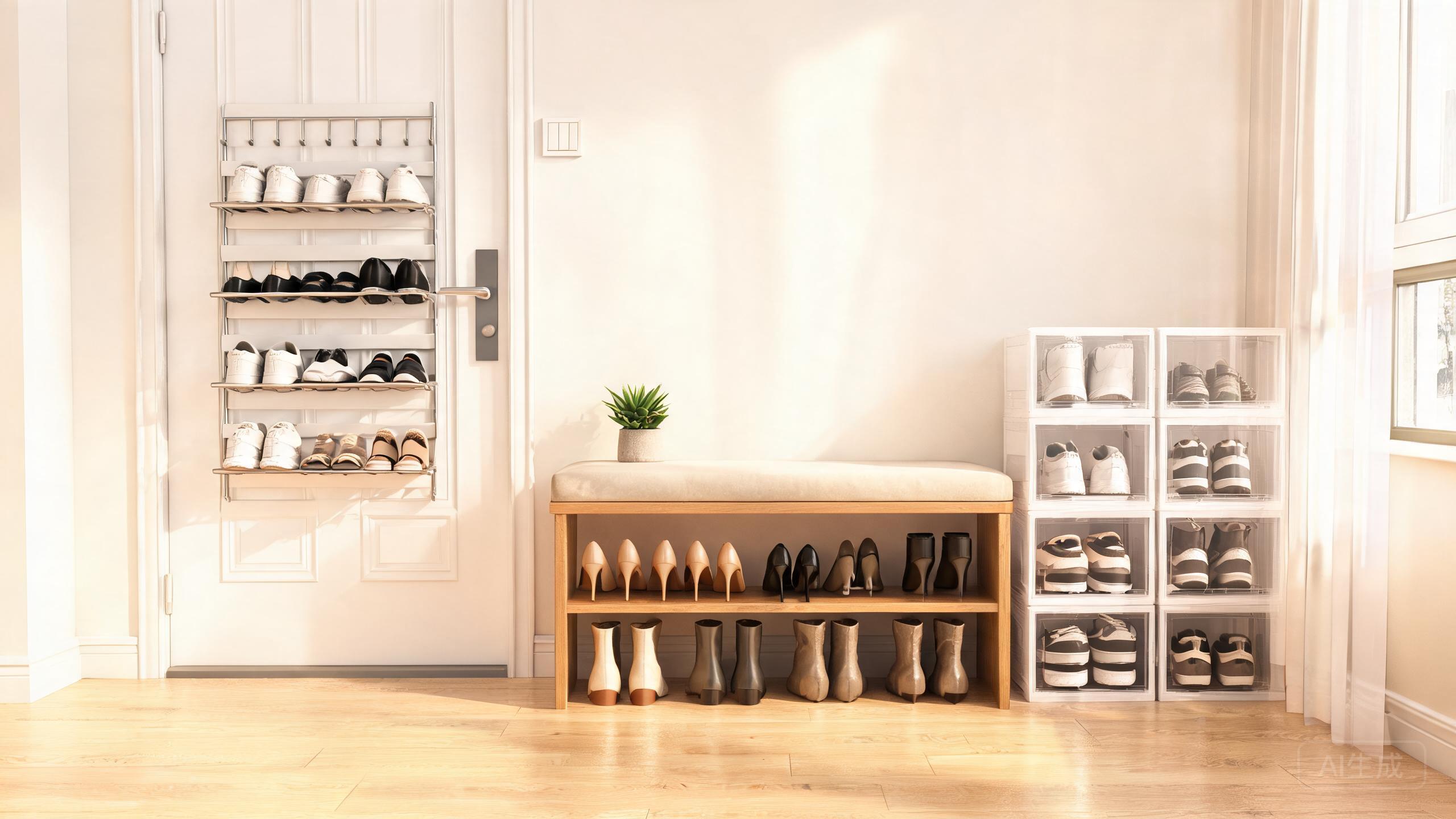
Shoe Bench with Storage
Best for: Entryways where you need seating too Price range: $80-$200
A shoe bench is perfect for entryways because it does double duty — you can sit on it to put shoes on, and it stores them underneath. Look for one with a cushioned top and either open shelves or closed cabinets below.
Pros:
- Functional (seating + storage)
- Keeps shoes off the floor
- Looks nice in an entryway
Cons:
- Takes up more floor space
- Limited shoe capacity (usually 6-10 pairs)
Over-the-Door Shoe Organizer
Best for: Closet doors, renters, small spaces Price range: $10-$30
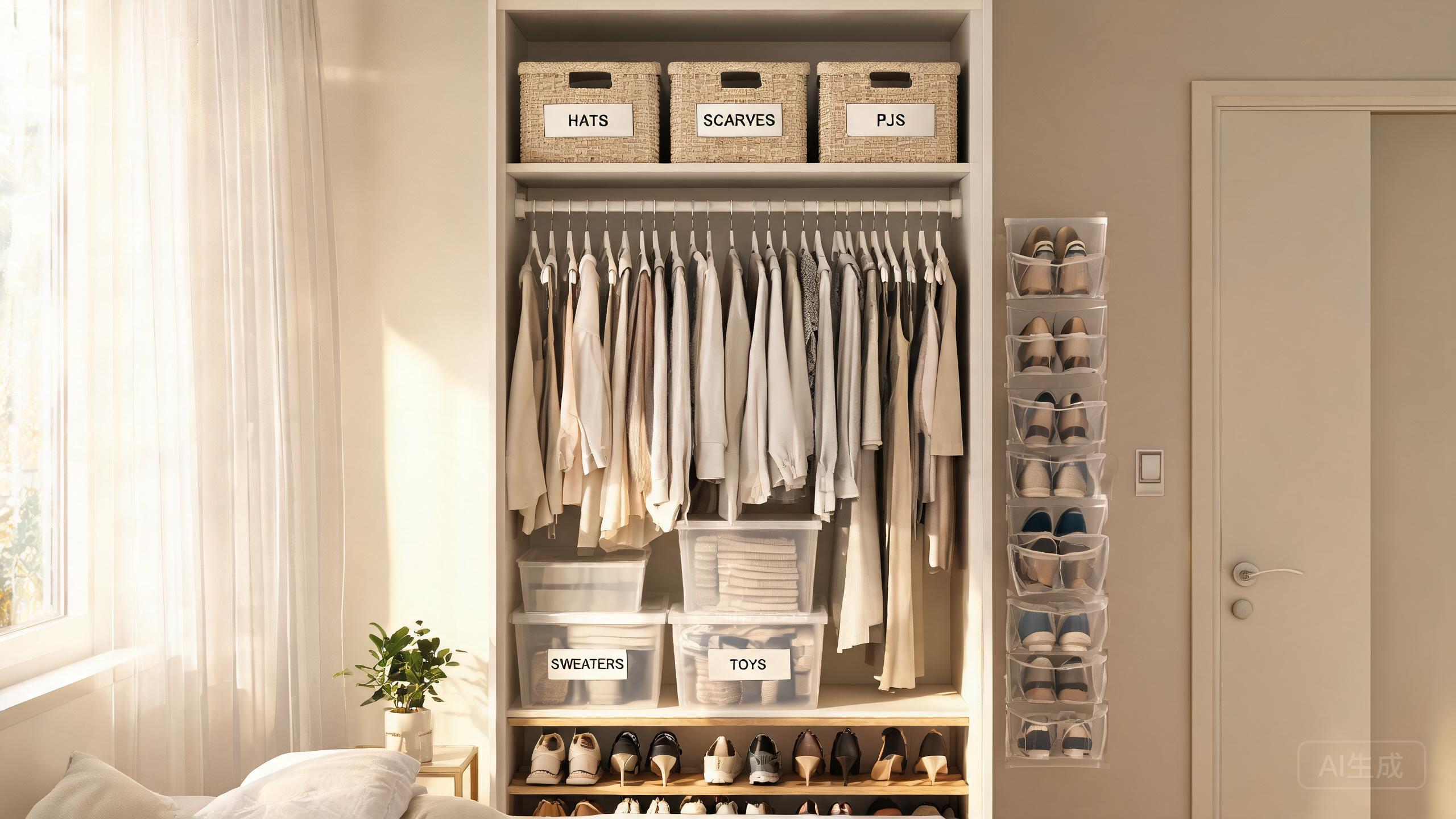
The classic over-the-door shoe organizer holds 12-24 pairs and uses zero floor space. Just hang it over the back of your closet door (or bedroom door, or entry door) and you're done.
Clear plastic pockets let you see what's inside, and they're cheap enough to buy several if you have a lot of shoes.
Pros:
- Super affordable
- No floor space needed
- Easy to install (no tools)
- Holds a lot of shoes
Cons:
- Can look messy
- Pockets can stretch out over time
- Door might not close properly if it's tight
Best for Closets
Shoe Cubes / Clear Shoe Boxes
Best for: People who want to see every pair Price range: $10-$30 for a set of 6
Clear plastic shoe boxes let you see exactly what's inside without opening them. They stack neatly, protect shoes from dust, and you can arrange them however you want.
The foldable ones are great because you can collapse them when not in use. Look for ones with a drop-front opening so you don't have to unstack them to get shoes out.
Pros:
- See-through = easy to find shoes
- Stackable and modular
- Protects shoes from dust
- Customizable arrangement
Cons:
- Takes up more space than racks
- Can be expensive for a full collection
- Assembling them is tedious
3-Tier Shoe Rack
Best for: Floor of the closet, moderate collections Price range: $20-$50
A simple 3-tier shoe rack on the floor of your closet holds 12-18 pairs and is easy to assemble. Wire or bamboo racks are affordable and lightweight.
Look for one with adjustable shelves so you can make room for boots or high heels.
Pros:
- Affordable
- Easy to assemble
- Good for moderate collections
- Works anywhere
Cons:
- Takes up floor space
- Can look messy if not neat
- Not enough for large collections
Best for Large Collections
Shoe Cabinet
Best for: Large collections, entryways, hiding shoes Price range: $100-$300
If you want your shoes out of sight, a shoe cabinet is the way to go. It looks like a regular piece of furniture but has tilt-out drawers that hold 20-40 pairs of shoes.
It's more expensive than a rack, but it keeps shoes dust-free and hidden from view. Perfect if you want a clean, minimalist look.
Pros:
- Keeps shoes hidden and dust-free
- Looks like regular furniture
- Holds a lot of shoes
- Great for entryways
Cons:
- Expensive
- Takes up significant space
- Shoes can be harder to find
Rotating Shoe Rack
Best for: Corner spaces, fashion lovers Price range: $60-$150
A rotating shoe rack (like a Lazy Susan for shoes) is perfect for corner spaces. Spin it to find the pair you want — no digging through the back of the closet.
Most hold 30-50 pairs, and they're especially good for heels and dress shoes that you want to display.
Pros:
- Easy to see all your shoes
- Fits in corners (wasted space otherwise)
- Holds a lot of pairs
- Fun to use
Cons:
- Takes up a fair amount of floor space
- Can be wobbly if cheap
- Not great for boots
Which One Should You Get?
- Entryway, need seating: Shoe bench
- Small space / renters: Over-the-door organizer
- Closet floor, moderate collection: 3-tier rack
- Want to see everything clearly: Clear shoe boxes
- Large collection, want it hidden: Shoe cabinet
- Corner space, large collection: Rotating shoe rack
Pro Tips
- Sort before you buy. Count your shoes and sort by type (everyday, dress, athletic, boots). This tells you how much space you need and what kind of organizer works best.
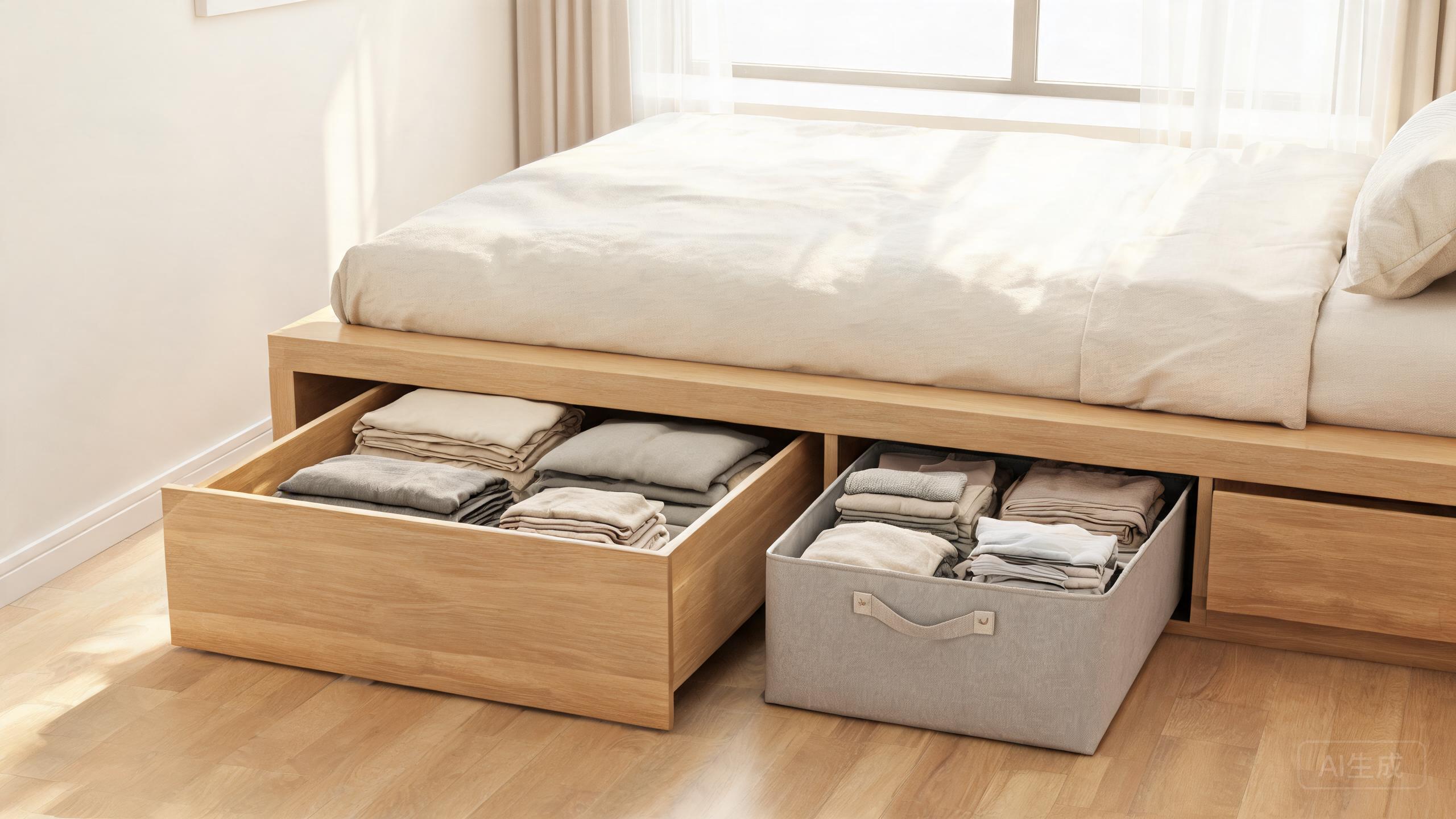
- Store out-of-season shoes elsewhere. Winter boots don't need prime closet real estate in July. Store them under the bed or in the garage.
- Use the floor first, then go vertical. Floor racks are cheaper and easier to access. Only go vertical if you run out of floor space.
- Keep everyday shoes by the door. You'll never put them away in the closet anyway. Just make them look intentional with a small rack or tray.
At the end of the day, the best shoe organizer is the one you'll actually use. Pick something that fits your habits, not just your space.