Introduction
Bathroom mold is the worst. It's gross, it's unhealthy, and it feels like no matter what you do, it keeps coming back.
The bad news: bathrooms are basically mold incubators — warm, moist, and often poorly ventilated. The good news: you can prevent and get rid of mold with the right strategies.
Here's everything you need to know about bathroom mold — how to prevent it, how to get rid of it, and when to call a professional.
Why Bathrooms Get Mold
Mold needs three things to grow: moisture, warmth, and something to eat (dust, soap scum, even the grout between tiles). Bathrooms have all three in spades.
Common sources of bathroom moisture:
- Showers and baths (obviously)
- Leaky faucets or pipes
- Poor ventilation
- Wet towels left on the floor
- Standing water on the floor or counter
How to Prevent Bathroom Mold
1. Ventilate, Ventilate, Ventilate
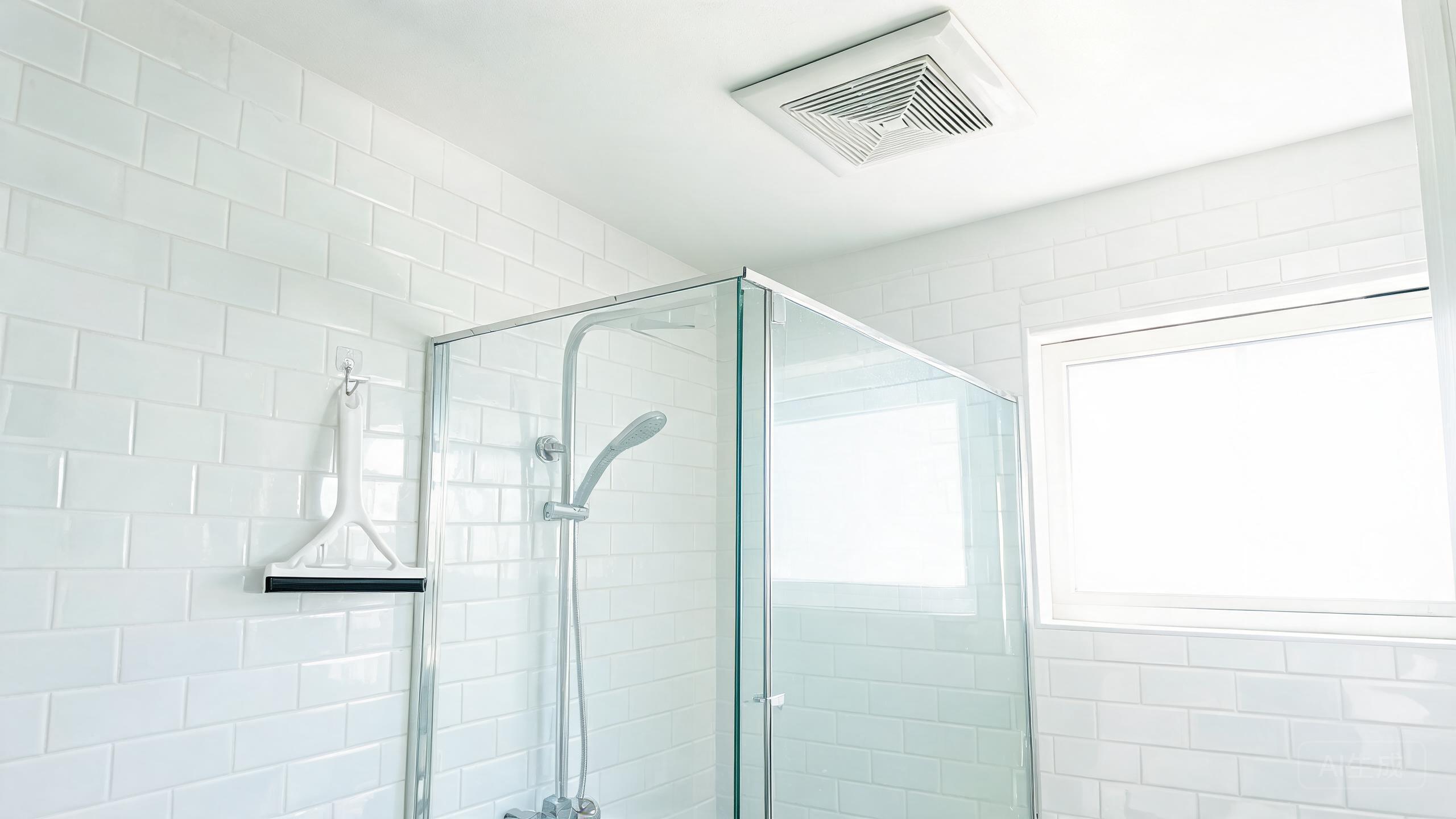
This is the #1 most important thing. Run your bathroom exhaust fan during every shower and for 20 minutes after. If your fan has a timer, set it for 30 minutes. If it doesn't, get a timer switch — they're $15 and easy to install.
No exhaust fan? Open a window. Even cracking it a little helps. And leave the bathroom door open after showering to let moisture escape.
2. Use a Squeegee
After every shower, take 30 seconds to squeegee the shower walls and glass. It removes most of the water before it can evaporate (and before it can feed mold). It's the single most effective thing you can do to prevent shower mold.
Keep a squeegee in the shower so you remember to use it. Make it part of your post-shower routine.
3. Hang Up Wet Things
Towels, bath mats, shower curtains — don't leave them in a pile on the floor. Hang them up so they can dry properly.
- Towels: on a hook or towel bar
- Bath mat: hang over the shower rod or towel bar
- Shower curtain: close it so it can dry evenly
4. Clean Regularly (and Properly)
Soap scum is mold food. Clean your shower and toilet regularly to remove it. A quick wipe-down once a week prevents buildup that's harder to clean later.
For weekly cleaning:
- All-purpose cleaner + sponge or microfiber cloth
- Don't forget the grout (that's where mold loves to grow)
- Wipe down faucets and handles too
5. Fix Leaks Immediately
A dripping faucet or a leaky pipe might seem like a minor annoyance, but it's a constant source of moisture for mold. If something's leaking, fix it as soon as possible.
Check under the sink regularly for hidden leaks. That's one of the most common places for mold to grow out of sight.
6. Use Mold-Resistant Products
- Mold-resistant shower curtain: Some fabric curtains have anti-microbial coatings
- Silicone caulk: Lasts longer and resists mold better than acrylic caulk
- Mold-resistant paint: For bathroom walls and ceilings
- Grout sealer: Sealing your grout makes it less porous and more mold-resistant
How to Get Rid of Existing Mold
For Small Areas (less than 10 sq ft)
Option 1: Vinegar (best for non-porous surfaces)
- Fill a spray bottle with undiluted white vinegar
- Spray the moldy area and let it sit for 1 hour
- Scrub with a brush
- Wipe clean with water
- Dry thoroughly
Vinegar kills about 82% of mold species and is safe on most surfaces. It smells strong but the smell goes away when it dries.
Option 2: Hydrogen Peroxide
- Spray 3% hydrogen peroxide on the mold
- Let sit for 10-15 minutes
- Scrub and wipe clean
Hydrogen peroxide is less smelly than vinegar and also kills mold well.
Option 3: Baking Soda
- Make a paste of baking soda and water
- Apply to moldy grout or caulk
- Let sit for 30 minutes
- Scrub with a brush (an old toothbrush works great for grout)
- Rinse and dry
Baking soda is mild but works well on porous surfaces like grout.
For Bigger Problems
If you have:
- Mold covering more than 10 square feet
- Mold on drywall or ceiling
- A musty smell you can't locate
- Mold that keeps coming back after cleaning
Then it's time to call a professional mold remediation company. Big mold problems can be a health hazard and often have a hidden source (like a leak inside a wall).
What About Bleach?
Bleach kills mold on hard, non-porous surfaces like tile and glass. But on porous surfaces like grout, drywall, and wood, bleach only kills the surface mold — the roots survive and grow back.
Bleach also produces toxic fumes and can damage some surfaces. I usually recommend vinegar or hydrogen peroxide instead, but bleach works fine for tile and glass if you're careful.
Important: NEVER mix bleach and vinegar. It creates toxic chlorine gas. Use one or the other, not both.
When to Worry About Health
Most bathroom mold is not a health emergency, but it can cause problems for some people:
- Allergy-like symptoms (sneezing, itchy eyes, stuffy nose)
- Asthma attacks (in people with asthma)
- Skin irritation
- Respiratory issues
If you or someone in your household has asthma, allergies, or a weakened immune system, take mold more seriously and address it promptly.
Final Thoughts
Bathroom mold is a fact of life for most of us — but it doesn't have to be. The three keys to prevention are:
- Ventilate (run the fan!)
- Dry (squeegee, hang towels, fix leaks)
- Clean (regularly, before it gets bad)
Do those three things and you'll be amazed at how little mold you have. And if you do get some? Attack it early with vinegar and a brush before it spreads.
A mold-free bathroom is a happier bathroom. Trust me on this.